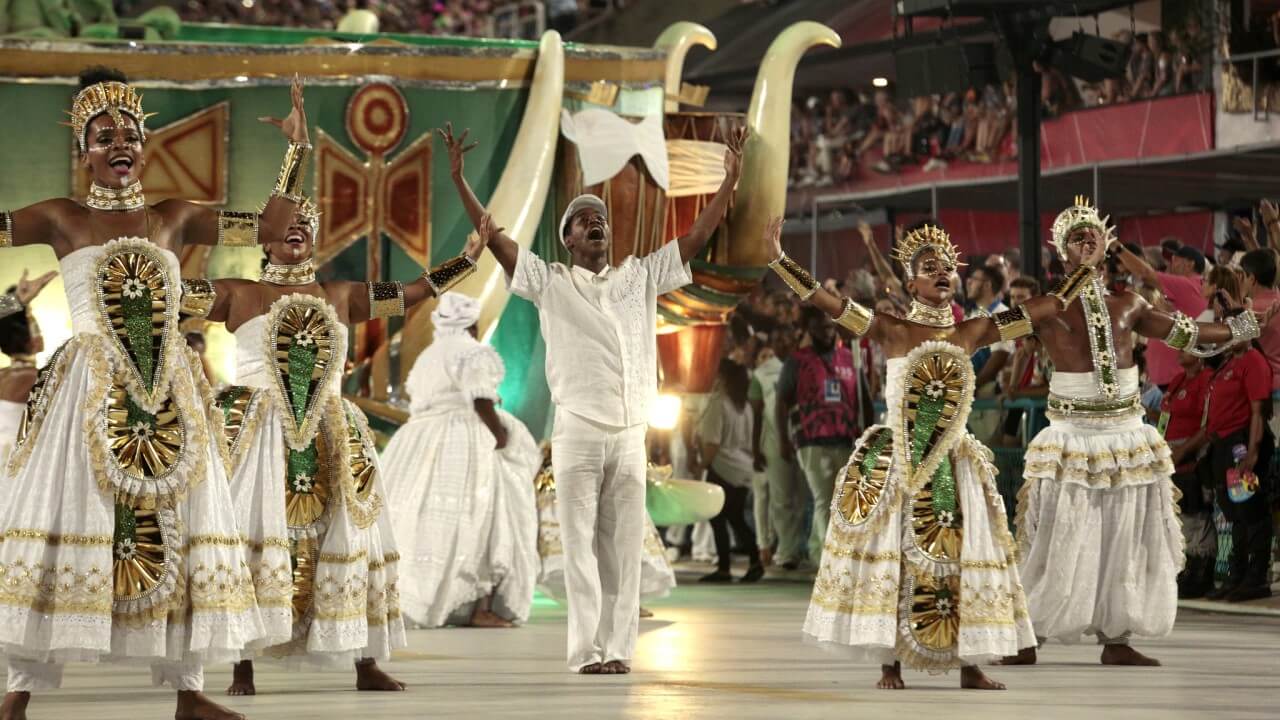


Rio Carnival
You can't think of Rio de Janeiro without thinking of Carnival
From the sexy beaches to the Carnival and the favelas, the energy that the city of Rio produces is simply electrifying. What is even more exhilarating is the deliciously bronzed samba dancers, the crackling music, the frantic applause of the spectators, and of course, partying at the Rio Carnival. Held every year during the week leading up to Lent, the Carnival attracts visitors from all around the globe. It is inconceivable to think of Rio without thinking of the Carnival. Anticipation builds and the excitement grows as the Carnival time gets closer and closer. Without a doubt, this is the favorite holiday celebration in Rio. The city glows with the smiles and energy of the locals or Cariocas. Samba music can be heard coming from neighborhoods all over the city and crowds gather to dance and make merry all day and night. It is the inherent spirit of the Cariocas and their true joie de vive that makes the Carnival such a glorious success year after year.
The 2012 Rio Carnival Guide and Program
Here you will learn all about the Rio Carnival event for 2012: the glorious Samba Parades with its 12 samba schools parading tat the main two parades on Sunday and Monday, the other 11 samba schools that will make the show on Saturday February 18, in a fierce competition for a spot among the starts for the following year, the sambadrome stage, its sectors and tickets to the big show. An entire section about costumes will assist those those who want to make part of the biggest party on the planet, parading with a real samba school. You will also find useful information on how to secure hotel accommodations, book tickets to the parade and how to get to sambadrome using the safe subway system.
We are RIO.com. Need we say more?
If you need a hand to understand Rio Carnival and its nuances, a team of true carioca carnival experts will be more than glad to give you a hand with anything: from a suggestion on putting together your party planning to what's-the-best-beach to your life style, from getting a ticket to watch the parade, to plan an itinerary that includes other cities in Brazil and South America.
Sexing up the Rio Sambadrome
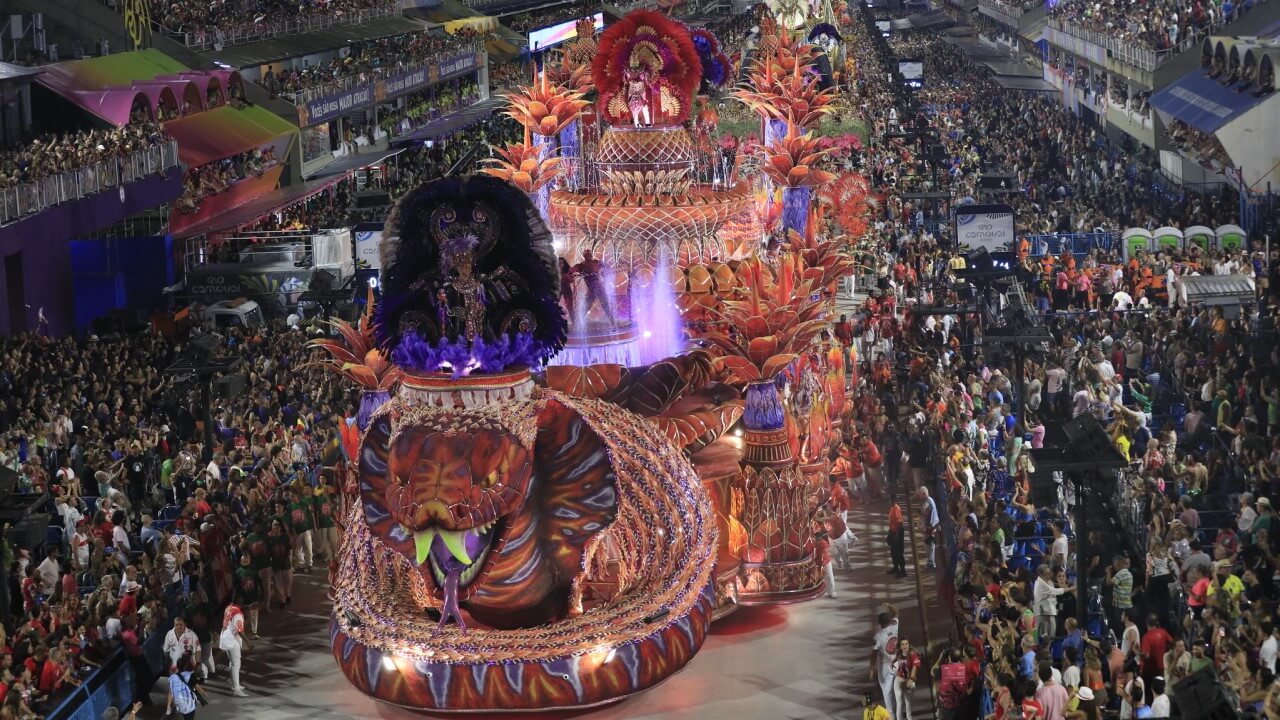
In Rio, things are never done in half measure, except for when it comes to wearing bikinis, which is evident from the pomp and circumstance with which the Carnival is celebrated. Since 1984, all the excitement is at the Sambadrome, built specially for the occasion. Before its construction, the parade was held on one of the most important downtown streets, Presidente Vargas Avenue. The samba drum beats, gyrating dancers, and thousands of participants in curve-hugging and elaborate costumes, midriff tops, and stilettos are only some of the highs to be experienced at the Carnival.
The World Is Watching
While preparations continue for the Carnival all year round, technical rehearsals by the samba schools are held at the Sambadrome for a few weeks before the big weekend of competition. This is the prelude to the most extravagant, beautiful, and sexy spectacle, which the whole world waits for with baited breath. For every Carioca, this is a sign that their much awaited four-day holiday is around the corner. The Carnival is watched on television sets all over the world. The energy and spirit of the celebration transcend the one-dimensional view from the TV to captivate each viewer and draw him or her into the excitement and ecstasy of the festival.
The Party Never Stops
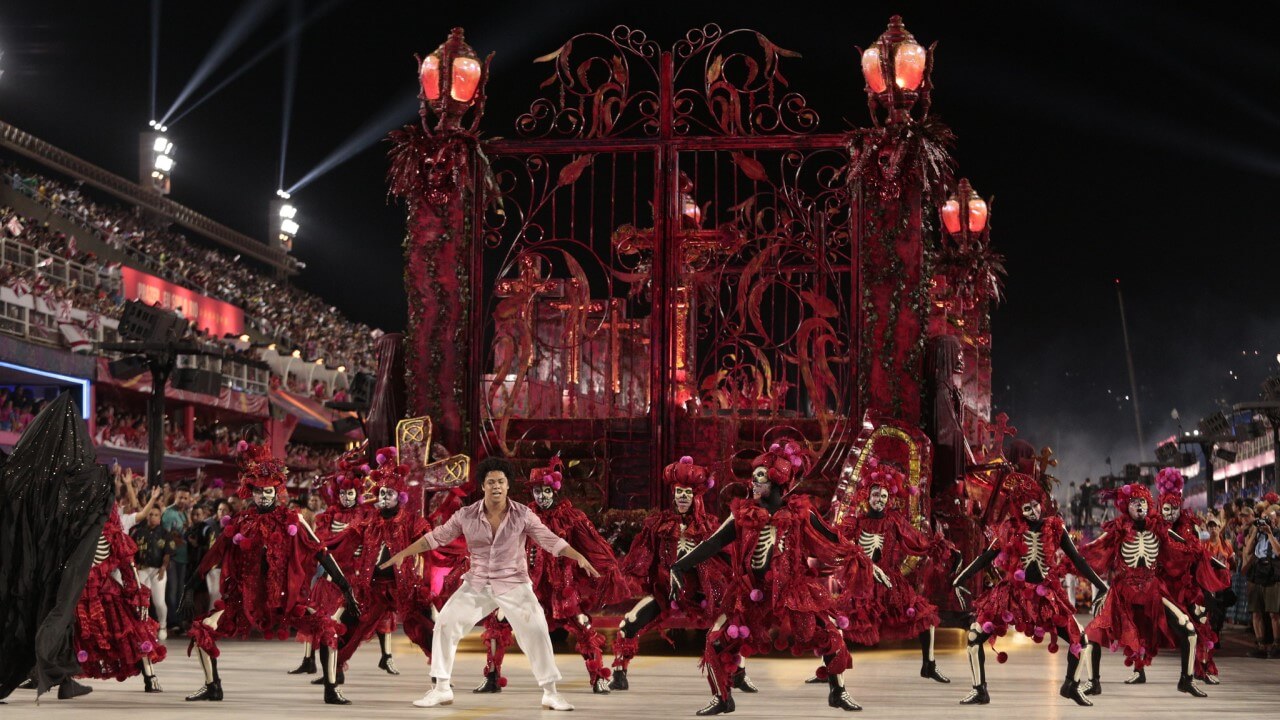
All else comes to a halt on the four days of the Carnival, with the exception of samba, women, beer, and partying all night long. Once the Sambadrome empties, the parties continue at every street corner all over the city. Throughout the neighborhoods of Rio Cariocas celebrate the arrival of the Carnival. People dance along the streets singing the songs of the Samba. Everyone comes together in friendship and fun to enjoy the balls, street parades and the excitement of the Sambadrome. Cariocas make no distinction between locals and foreigners, who are most welcome to participate in the event. In fact, visitors can grab a place on the samba strip as a participant with one of the samba schools. All you need is to buy one of the school specific costumes.
Rio Carnival Overview
Of all the carnivals, the Rio Carnival is the without doubt, the real deal. This is the time when Cariocas are at their best, and why won’t they be when Rio is known as the Carnival Capital of the World. The fact that most people call it the greatest show on earth means there has to be something about it. The four-day celebration begins on Saturday and ends on Fat Tuesday, the day before Lent. There is distinctly a vibrant, licentious air in Rio during the Carnival, with many even referring to it in fun as a sort of ‘carioca madness’ that is seemingly contagious. To find out if this is the party for you ask anyone in Rio who has celebrated the Carnival. Many will say this is a once in a lifetime experience and should not be missed. Secure your parade tickets to watch its main event: the Samba Parade.
How it all started

There are many theories as to the origin of the Carnival with stories of it being a pagan celebration in ancient Rome. Carnival balls became popular in Rio in the nineteenth century with legendary balls held at the Copacabana Palace Hotel and the Municipal Theater. The inevitable influence of Afro-Brazilian culture in the form of the samba heralded the beginning of the Samba Parade in the 1930s. It is the ethnic melting pot of Rio that makes this festival unlike any in the world. The combination of the cultural diversity and Brazilian swing rhythm is what makes the Carnival in Rio so unique.
Samba Schools and the Sambadrome
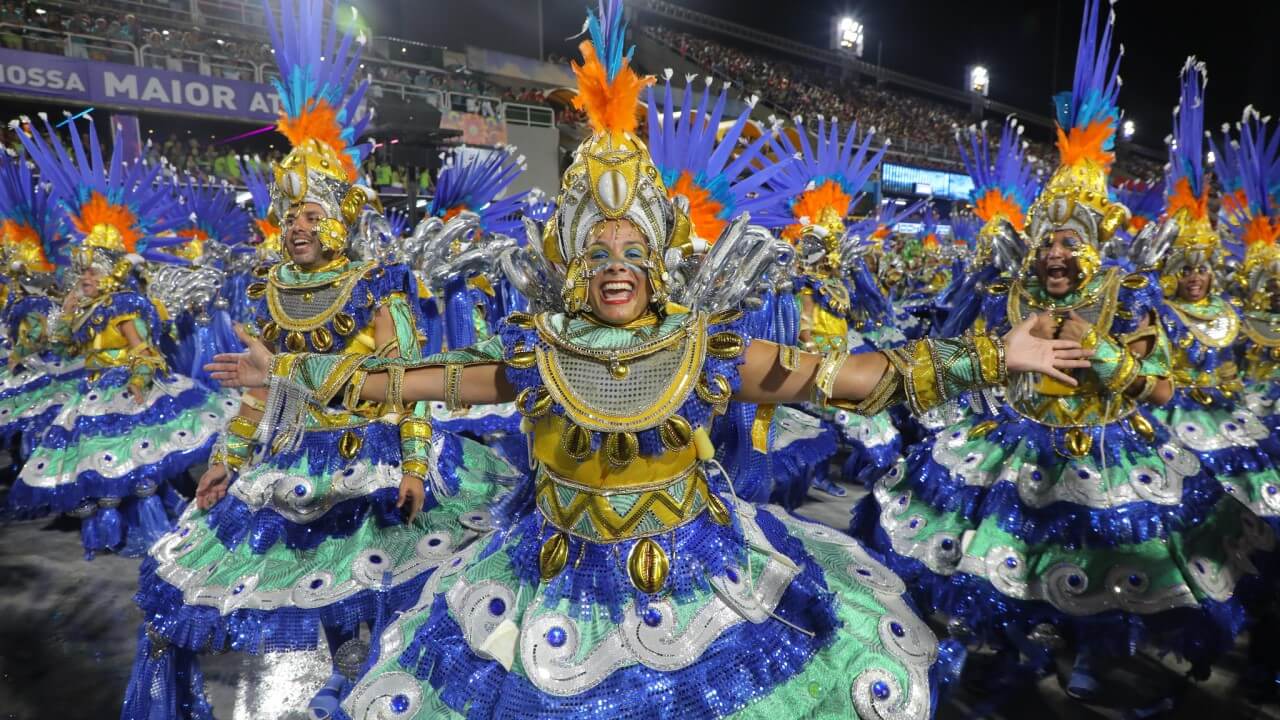
The center of attraction is, of course, the Sambadrome in downtown Rio, where the Samba Parade has been held since 1984. As tourists begin to arrive, the city virtually comes to a halt for all four days leading up to Ash Wednesday, the beginning of Lent. While the Sambadrome may be the focus of the Carnival, the focal point is undoubtedly the samba schools and their vivacious women samba dancers, who are a quintessential part of the Carnival.
Porta Bandeira – The Crowd Favorite
Women are at the head of the parade of each samba school. They have the job of conquering not only the spectators’ hearts, which is not too difficult, but those of the judges too. The Porta Bandeira, the flag bearer of the samba school, in an intricate sequin and feather costume is the first to enter the samba strip as the crowds stand and cheer as she passes by performing the most elaborate samba steps. Accompanying the Porta Bandeira is her protector the Mestre Sala. Inspired by the nobility of the eighteenth century, the couple is adorned with very elaborate costumes. His job is to guide and watch over her as she dances along the parade route. Originally, he would guard her armed with a knife so other Samba schools could not distract her and cause her to lose points. The Porta Bandeira must dance and interact with the Mestre Sala as well as the audience. She cannot allow the flag she carries to touch her body or wind around the flagpole. To do so would result in a loss of points for her troupe.
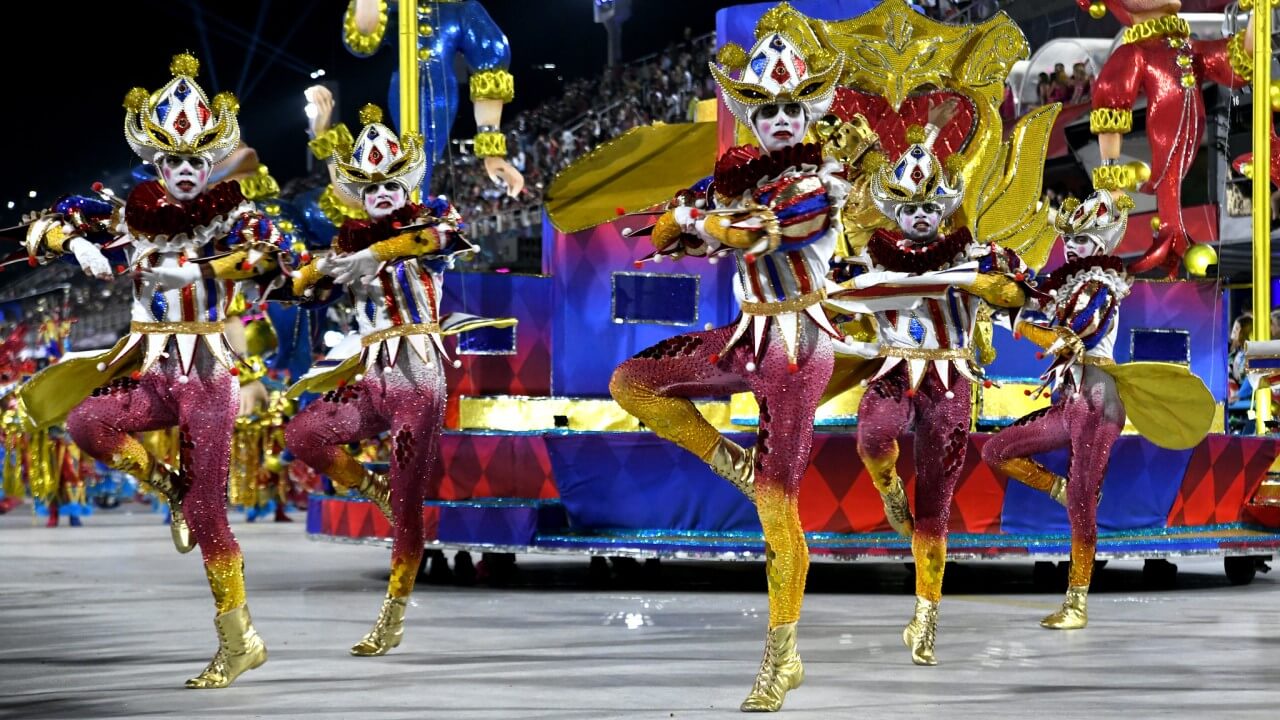
Then come the floats with beautiful women sensually dancing the samba in the tiniest of costumes, accompanied on either side of the floats by ‘alas’ or sections of the samba school. Each section has a different type of costume, all of them breathtaking to say the least.
Four Nights of Competition
Each samba school has 80 minutes to parade down the strip at the Sambadrome. The Rio Carnival kicks off with the opening ceremony on Friday where King Momo is crowned by Rio’s mayor. In the evening a children’s parade sets the tone for the next four days of revelry combined with an intense show of dance, theater, arts and music. On Saturday, members of the Access Group strut their stuff in the hopes of joining the major league players. Sunday and Monday are reserved for the 12 best samba schools vying for the championship spot where six of the finest march on each day.
Glorious Themes and Samba Schools
The schools of samba are a musical genre symbolizing Brazil. At the Sambadrome each school plays out its own story with a common theme ranging from politics to arts and sports. What everyone looks forward to apart from the dancers is each team’s unique song, creative costumes, and choreography. Each Samba School tries to be more creative than its competitor. From levitation to a flying astronaut, the Sambadrome is always full of surprises. And each year the schools seem more and more creative as rich imagination give way to show stopping flights of fancy.
Rio Carnival Parade Ticket. A Ticket to Lots and Lots of Fun.
All roads lead to the Rio Sambadrome on Carnival nights. It is advisable to take the subway or a taxi to reach the stadium. Admission is around $100 for the grand stand, with seating arrangements starting at $200's. However, it is even more fun joining the samba parade. To be able to participate in a Samba School parade, all you need to do is pre-order a costume with us. Yes, your costume is your ticket to parading.