

Explore the enchanting neighborhoods of Flamengo and Botafogo
Flamengo and Botafogo: history and modernity in Rio de Janeiro
The neighborhoods of Flamengo and Botafogo were the first residential areas in the southern zone of Rio de Janeiro. Botafogo stands out for its more commercial nature, while Flamengo is known for its tranquility and the large colonial houses that harmonize with the residential buildings.
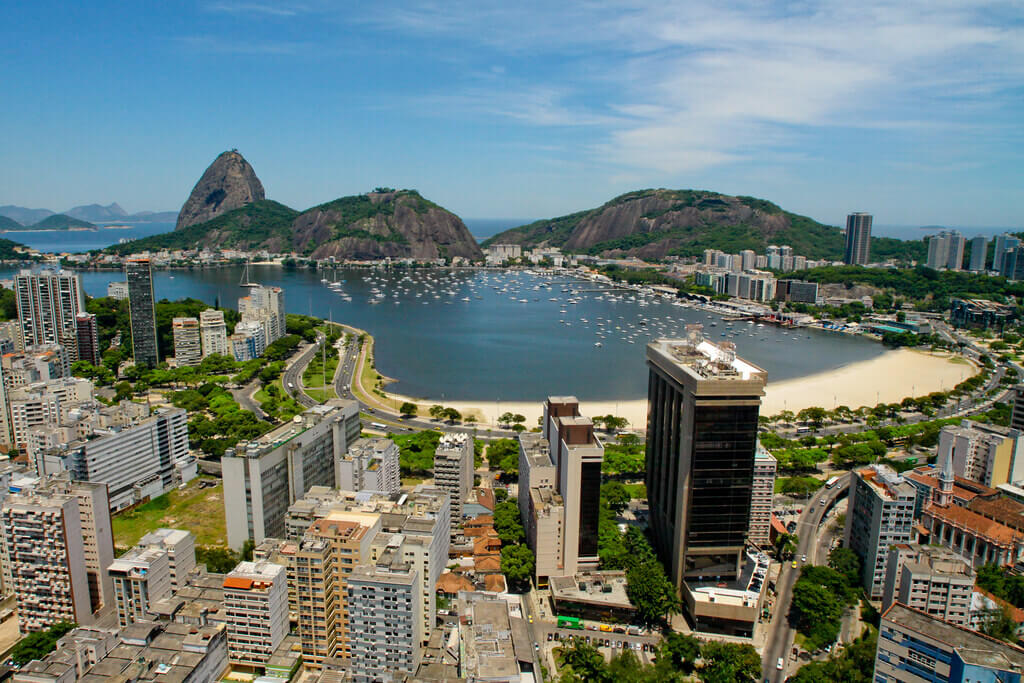
With a family-friendly and relaxing atmosphere, the predominantly middle-class residents enjoy the best of both worlds. When it comes to nightlife, Botafogo, its immediate neighbor, has much more to offer. Named after João Pereira de Souza Botafogo, one of the area's first residents, the neighborhood boasts many museums, theaters, and cinemas, as well as a vibrant nightlife that guarantees the best in entertainment.
Botafogo Neighborhood
Botafogo gained importance in the 19th century when the Portuguese court settled there. The introduction of streetcars and the urban reforms of the 19th and 20th centuries led to the removal of favelas, the widening of streets, and general improvements in infrastructure. This resulted in an increase in population and commercial interest in the area. Botafogo is located between Flamengo and Copacabana, and is surrounded by the neighborhoods of Urca, Humaitá, and Laranjeiras.
HIGHLIGHTS
Mirante do Pasmado
Mirante do Pasmado is the perfect spot to take photos of Guanabara Bay. The Christ the Redeemer statue is also visible from this point, accessible via Rua Bartolomeu Portela.
Villa-Lobos Museum
The Villa-Lobos Museum is named after the legendary Heitor Villa-Lobos, who dedicated his life to the study of Brazilian music. The works of this famous composer are preserved in this museum, along with photographs, personal belongings, musical instruments, and the piano on which he composed his music. The museum building was designed by Burle Marx.
Rui Barbosa Museum
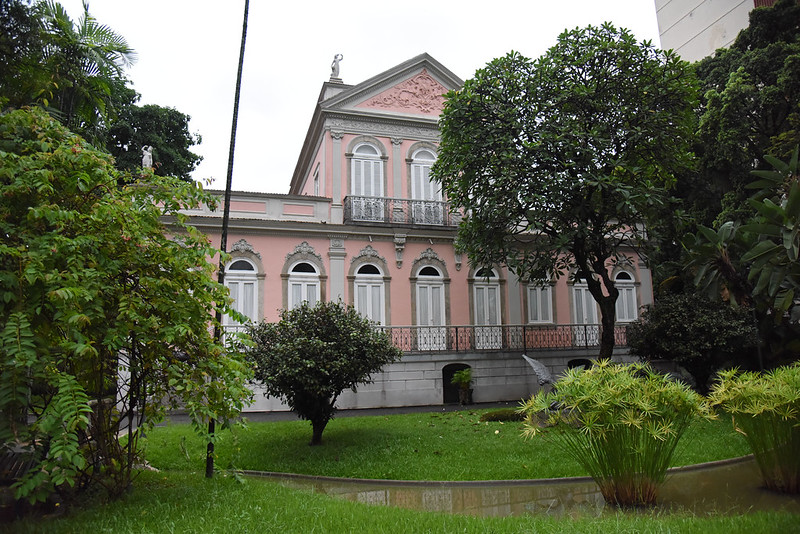
The Rui Barbosa Museum was built by the Baron of Lagoa in 1850 and acquired in 1895 by Rui Barbosa, a celebrated jurist, politician, and journalist. The museum is a research and documentation center, showcasing personal items belonging to Rui Barbosa, such as period furniture, personal belongings, and the cars he used.
Museum of the Indian
The Museum of the Indian was built in the late 19th century to preserve the culture and traditions of Brazil's indigenous tribes. On display are various types of crafts, art, films, recordings of original music, a library, and photographs, totaling approximately 15,000 items.
Nightlife
The Botafogo area is well known for its bars and nightlife, especially appealing to an alternative crowd. Rua Voluntários da Pátria has several bars, mainly concentrated in the Baixo Botafogo area, near the beach. You can have a great time on the beach and then head to a bar to enjoy a cold beer and delicious snacks.
Flamengo Neighborhood
Flamengo is one of Rio's most historic areas, full of landmarks, churches, museums, and cultural institutions. It offers some of the best views of Guanabara Bay. Flamengo Park, designed by Burle Marx, is the pride of the neighborhood, with over 300 species of trees and plants, stretching across 1 million square meters. Flamengo is next to Botafogo.
HIGHLIGHTS
Flamengo Park
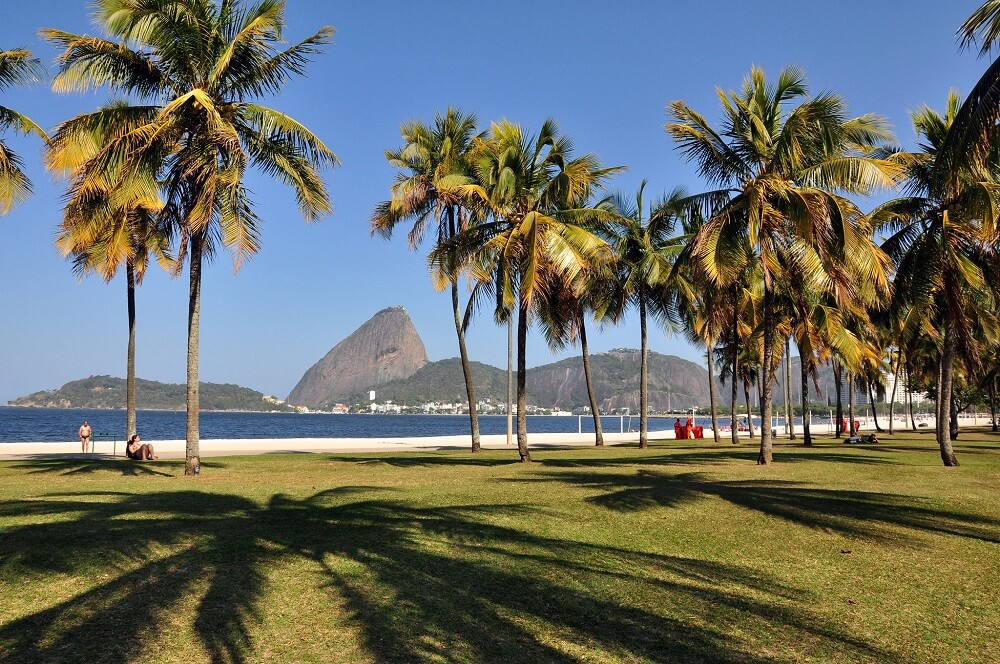
Flamengo Park, with gardens designed by Burle Marx, is a must-see attraction in the region. It is the largest recreational area in Rio de Janeiro. A guided electric car tour is the best way to learn about the history of the place while appreciating the various species of flora and fauna in the park. The views of Guanabara Bay and Sugarloaf Mountain are especially impressive.
Modern Art Museum
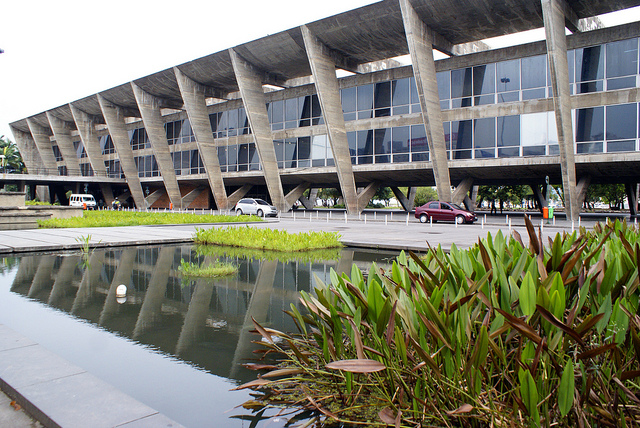
The Modern Art Museum in Flamengo Park is worth a visit for both its art and modernist architecture. It houses over 11,000 works, including paintings, sculptures, and prints by Brazilian and foreign artists. The Museum also houses a highly specialized library and a popular film archive. The Museum of the Futures - Art and Technology presents temporary exhibitions, usually of contemporary art.
Nightlife
Flamengo has several bars, ranging from simple to elegant. Most of the bars are located on Rua Marquês de Abrantes, but there are others scattered throughout the neighborhood.
It's Carnival Time
Enjoy specials deals for Rio Carnival 2026