


Explore the Heart of Rio: Downtown
Downtown neighborhood – the developmental hub of Rio de Janeiro
Downtown, or Centro as it is popularly known, is the developmental hub of Rio de Janeiro, serving as the crux for the city’s expansion. Located approximately 20 to 25 minutes from the Southside, it is dotted with landmarks, monuments, and sites of historical and cultural interest. Known as the financial heart of the city, Downtown houses the majority of Rio's businesses. Visitors will find a rich tapestry of the city’s history woven through its buildings and museums. From cultural centers to spectacular cathedrals and exquisite dining, Downtown offers plentiful attractions for the discerning traveler. Ensure a visit to this vibrant district is included in your 2027 travel itinerary.
Geography
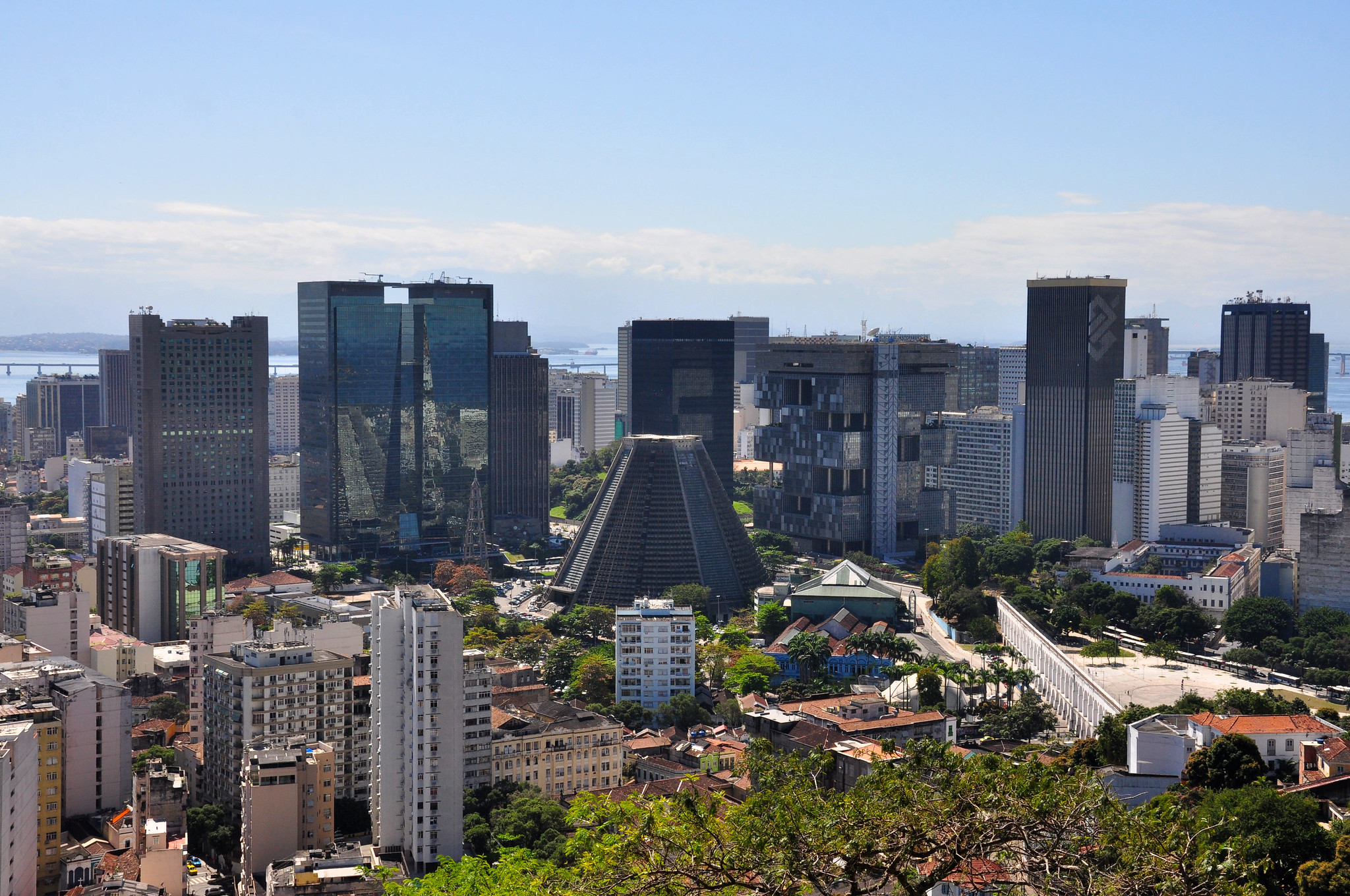
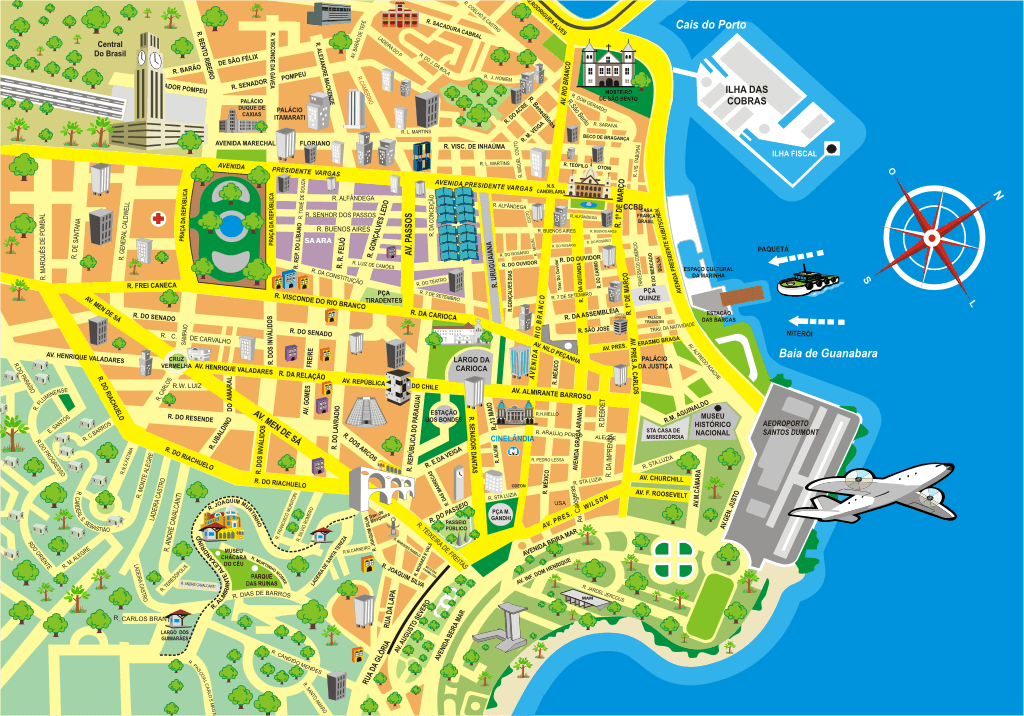
Downtown, bordered by Morro de São Bento to the north and Monument to the Dead of World War II to the south, extends to Praça XV on the eastern waterfront.
Highlights
For exhibition enthusiasts, places like the Centro Cultural Banco do Brasil (CCBB), Casa França-Brasil, Centro Cultural dos Correios, and Caixa Cultural are unmissable. These venues feature some of Brazil’s finest exhibitions, and a walking tour through all these venues is recommended for those eager to dive deeper into Brazil's cultural and historical narrative.
São Bento Monastery
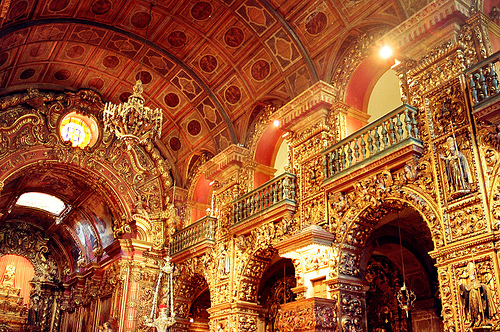
São Bento Monastery is a priority stop, coupling historical significance with artistic marvel. The baroque design is beautifully exhibited in the richly adorned interiors with 17th-century wood carvings and artwork by Mestre Valentim and Frei Ricardo do Pilar. Masses are celebrated Monday through Saturday at 7:30 AM and on Sundays at 10 AM. The monastery also features a late 17th-century organ.
Sambadrome
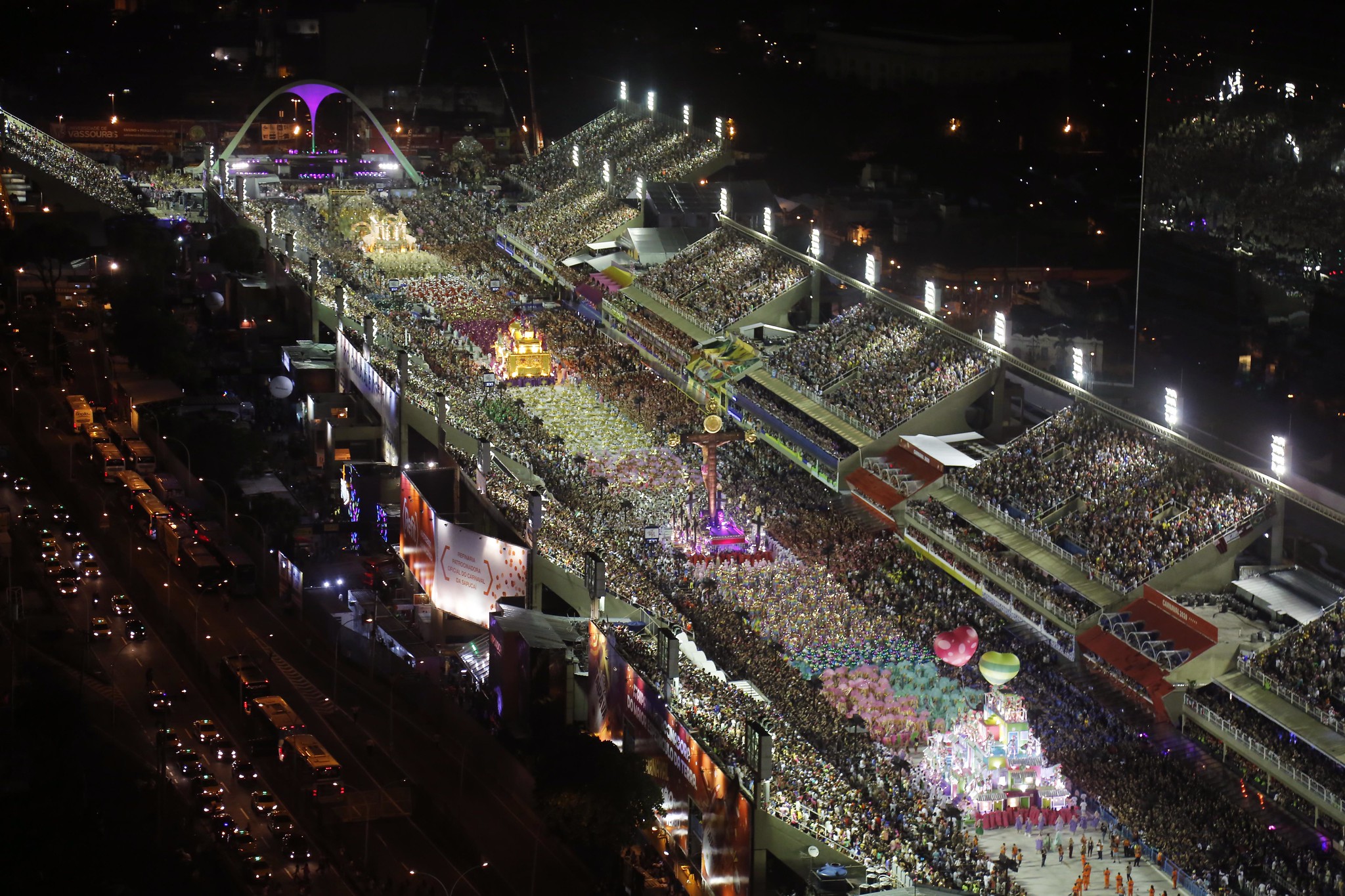
The Sambadrome hosts the spectacular Rio Carnival Samba Parade. This iconic venue is 700 meters long, accommodating up to 80,000 spectators each Carnival season.
Metropolitan Cathedral
The Metropolitan Cathedral, a renowned symbol of the downtown area and the Lapa neighborhood, exemplifies the religious exuberance of the largest Catholic nation globally, Brazil. Constructed from 1964 to 1979, it stands 80 meters high, with a capacity of 20,000 people, alongside the Sacred Art Museum and Bank of Providence charity institution.
Other Cathedrals and Churches
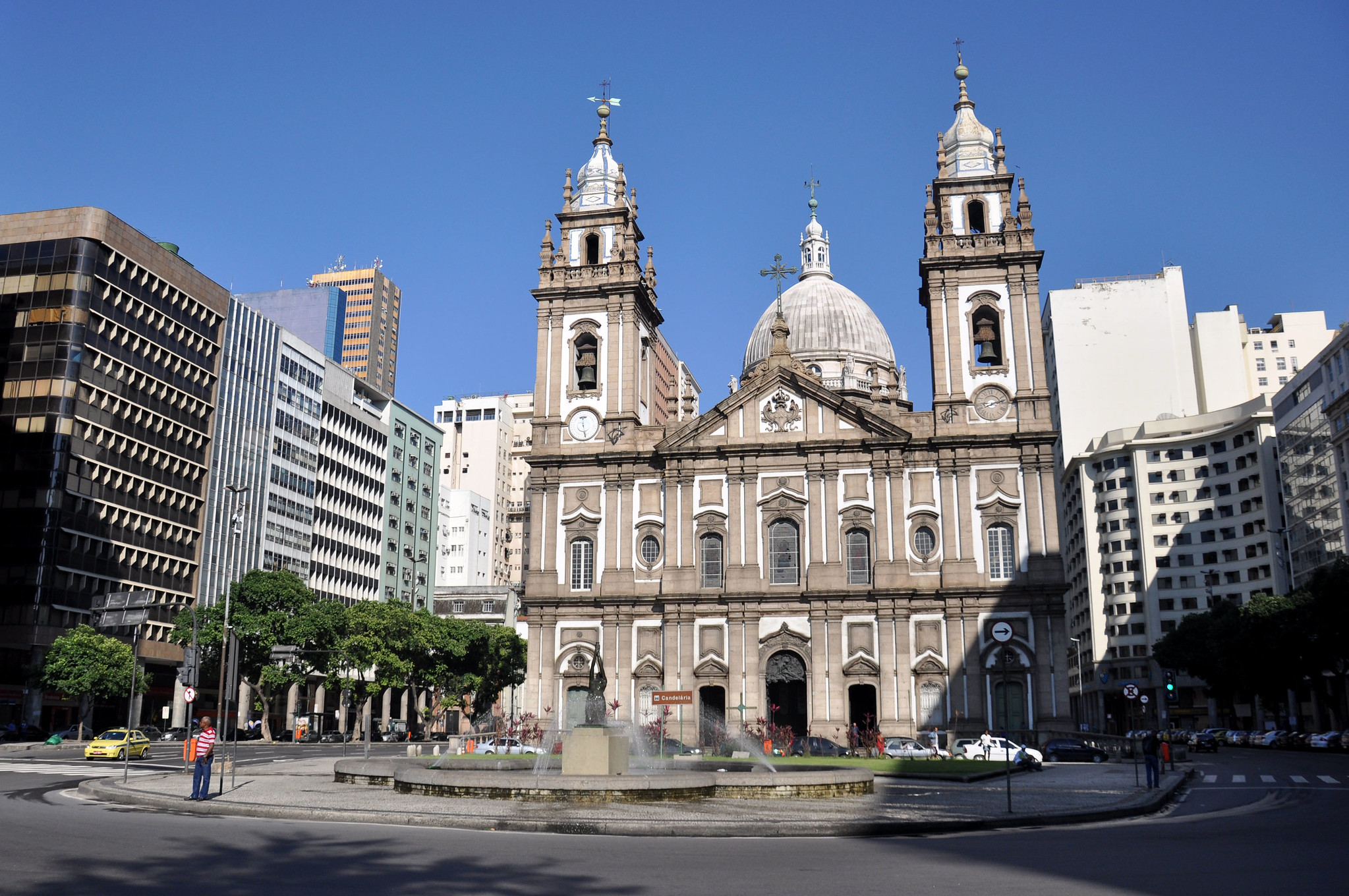
“Nossa Senhora do Carmo da Antiga Sé” served as a coronation site for monarchs, while the Candelaria Church is a downtown landmark. “São Francisco da Penitência”, baroque in style, is a marvel crafted with nearly a ton of gold for its carvings.
Arch of Lapa
The Lapa Arches, constructed in the early 18th century, measure 270 meters over 42 arches. This landmark is adjacent to the Metropolitan Cathedral, Fundição Progresso, and Sala Cecília Meirelles, among others. Saint Teresa and Lapa are linked via a streetcar line.
Municipal Theater
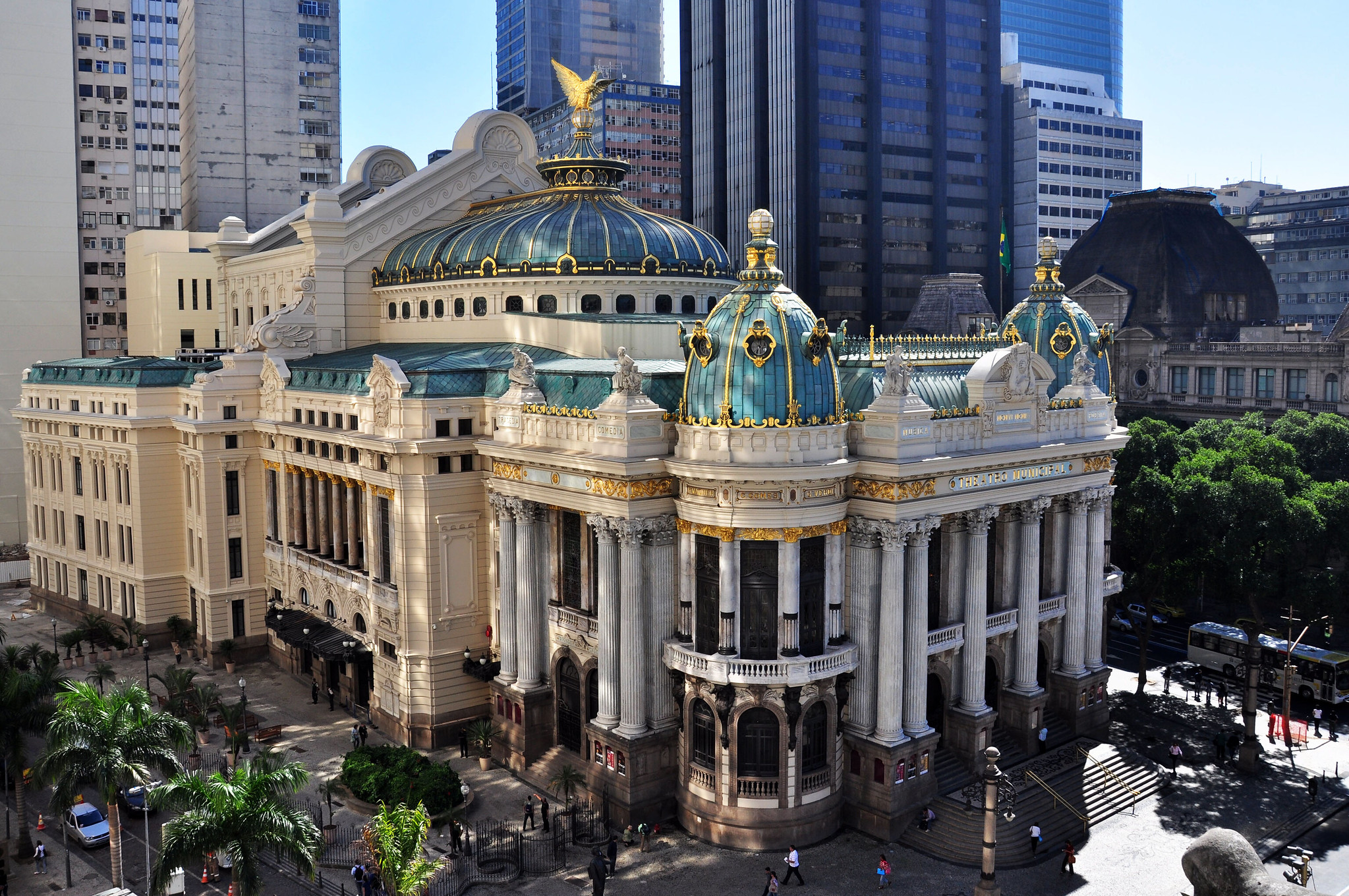
The Municipal Theater, designed by A. Guilbert and Francisco de Oliveira Pinto, symbolizes the city’s pride since its inauguration on July 14, 1909. Inside, one finds masterpieces by Eliseu Visconti and Rodolfo de Amoedo, and intricate mosaics by Bernardelli.
Museu Histórico Nacional
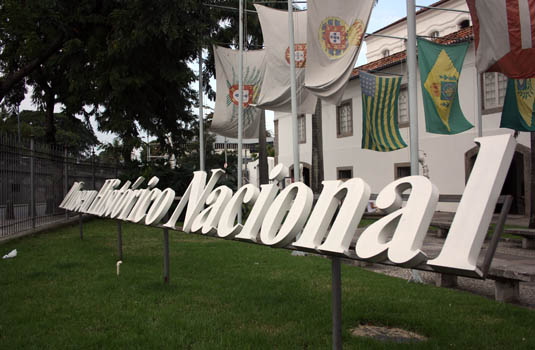
Several museums in Downtown Rio celebrate the city’s vibrant culture and history. The Museu Histórico Nacional stands as one of the country’s most significant, originally serving as the Ministry of Foreign Relations from 1897 until Brasília was inaugurated as the capital. It houses over 28,000 artifacts, including the largest numismatic collection in Latin America.
Museu Nacional de Belas Artes
The Museu Nacional de Belas Artes boasts a vast collection initiated in 1808, now comprising over 16,000 items, including paintings, sculptures, drawings, decorative arts, furniture, folk art, and African art.
Espaço Cultural da Marinha
The Espaço Cultural da Marinha preserves over 17,000 items, featuring a comprehensive archive of 30,000 photographs with approximately 2,500 items in its permanent display.
It's Carnival Time
Enjoy specials deals for Rio Carnival 2026