

Cultural Tours of Rio de Janeiro
Carioca Culture in Rio de Janeiro
Every visitor comes to Rio de Janeiro with the intention of enjoying the country’s rich culture. The city of Rio de Janeiro is a highly cultured city with an eclectic mix of cultures and a population that has given shape to various forms of artistic expression. This is evident from the lifestyle of Rio’s residents, especially when it comes to the Rio Carnival festival. Food, music, and dance – there can’t be a better combination that only Rio de Janeiro has the distinction to offer.

What to Expect on a Cultural Tour
Tour operators specialized in historical and cultural tours offer visitors a closer insight into Brazilian culture and Carioca traditions. Historical walking tours, visits to museums and art galleries, are among the essential elements of a cultural tour. The city is home to many art galleries, cultural centers, and venues for performing arts. The Centro Cultural Banco do Brasil, located on Rua Primeiro de Março in downtown, is the main venue for exhibitions, live concerts, plays, and cultural films. The new and modern Museu do Amanhã and Museu de Arte do Rio de Janeiro both of them located at Praça Mauá are also a cultural attractions not to be missed.
A Colonial Tour
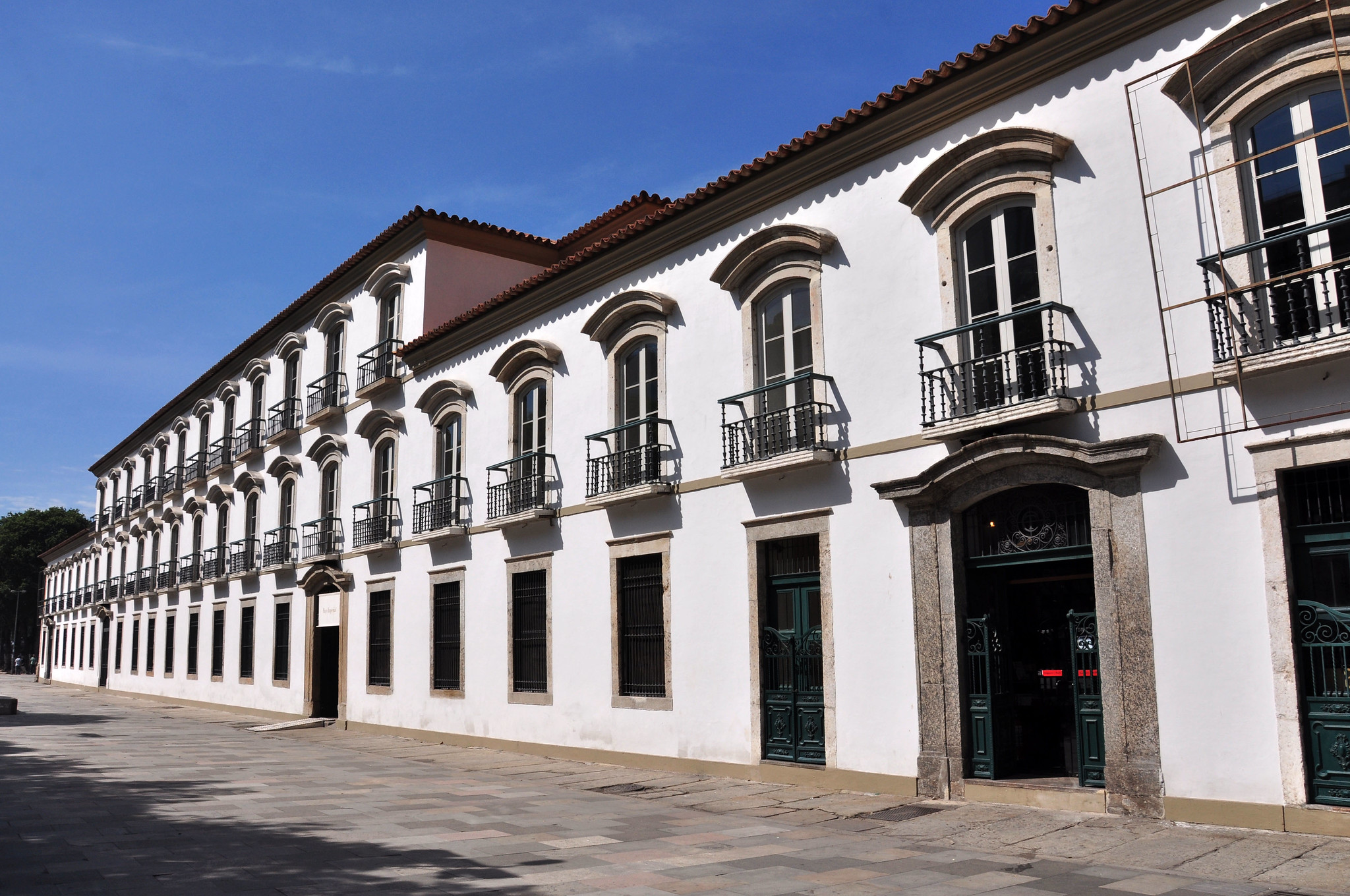
Rio boasts numerous magnificent architectural buildings from the time of the Portuguese, including the Imperial Palace, São Bento Church, statue of Christ the Redeemer, Lapa Arch, and Cathedral of São Sebastião, among others. You could spend hours admiring some of the best Baroque, Rococo, and Neoclassical architecture. The picturesque neighborhood of Santa Teresa is also a great place to visit on a cultural tour. Niteroi is home to the oldest fortress in South America and the famous Contemporary Art Museum designed by the renowned architect Oscar Niemeyer, considered one of the seven wonders of modern architecture. Rio de Janeiro's first and most important square is Praça XV, located in the center of the city's old waterfront. This is where governors and emperors resided, and the site where the Brazilian republic was proclaimed on November 15, 1889. Notable sights around the square include the Paço Imperial, the Palácio Tiradentes, and on the north side of the square, the Arco do Teles. Walk through this unobtrusive old archway, and you come to a tiny remnant of old colonial Rio, complete with narrow shopfronts and cobblestone streets. The area's main street, the Travessa do Comércio, transforms into a lively outdoor patio/pub in the evenings. Forming the back edge of Praça XV is Rua Primeiro de Março, a busy commercial street with several churches, including the Ordem Terceiro do Carmo, the Santa Cruz dos Militares, and near the far end of the street, the massive yet lovely Nossa Senhora de Candelária.
Experiencing Afro-Brazilian Culture
Afro-Brazilians have a strong influence on Rio’s culture. A trip to the Afro-Brazilian museum will give you an introspective view of the African descendants and their cultural heritage during colonial rule. On a cultural tour, a visit to the favelas is essential to understand the city’s contrasts and paradoxes. The favelas or shantytowns are where over thirty percent of Rio de Janeiro's population lives.
It's Carnival Time
Enjoy specials deals for Rio Carnival 2026