

Discover the Iconic Copacabana Neighborhood
Copacabana – Princess of the Sea
Copacabana, the very name itself provokes images of beauty, sand, and ocean. The magnificent jungle-clad mountains rise from the ocean and seem to blend into the beautiful bend of Copacabana Beach, now a world-renowned hotspot for tourists from around the world. The neighborhood lives up to its nickname, A Princesinha do Mar or Princess of the Sea. Copa (short for Copacabana) is a paradise with stunning beaches and lively streets where the party never seems to stop. Apart from being Rio’s egalitarian and eclectic neighborhood, romance and glamour are its obvious trademarks.
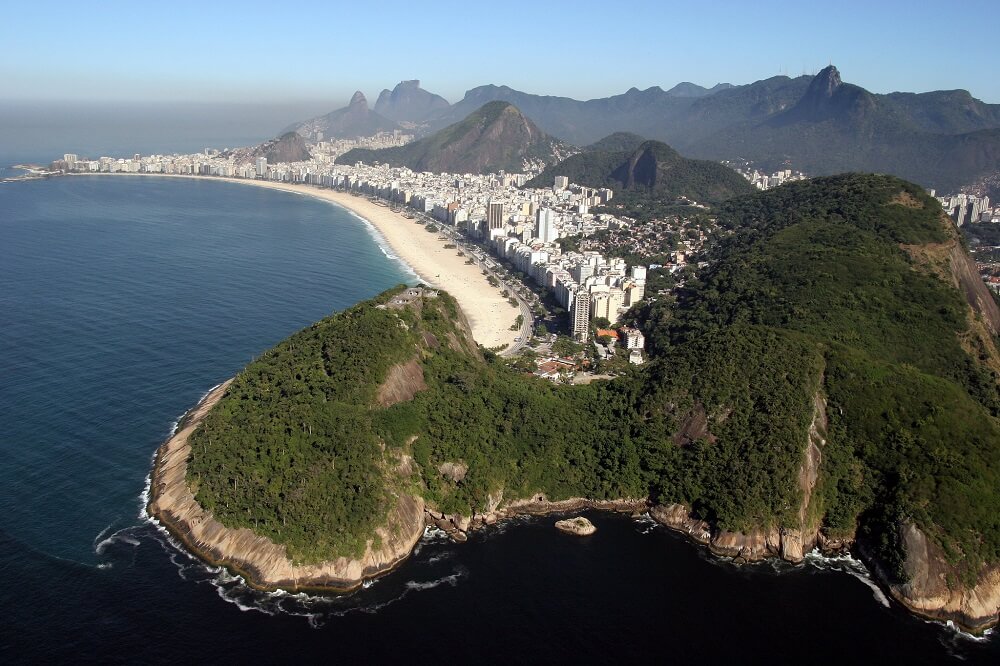
The Copacabana Beach stretches for over 5 kilometers and beckons one and all to its alluring waters. Sun, sea, and beautiful bodies represent the pleasure-seeking side of the neighborhood. The magnificent Sugar Loaf Mountain and Morro do Leme look resplendent in the background, presenting a picture-perfect landscape that lures tourists from all over the globe. As far as hospitality goes, you can always expect the very best at Copacabana, with hotels, bars and restaurants known for their exemplary service.
A Bit of History
Historically, Copacabana has much to offer compared to other places in Brazil. The region around Sugar Loaf Mountain, known as Guanabara Bay, was a French colony under Villegaignon in 1555. The area in front of the bay is now a naval academy. The Portuguese took over in 1566, changed the name to São Sebastião, and eventually renamed it Rio de Janeiro and the capital of Brazil in 1763. The region was home to the first Protestant settlement, with the population growing steadily only in the early 20th century. According to historians, a XVII century image of Our Virgin Lady of Copacabana was installed in a chapel, which was later demolished to make way for Forte de Copacabana, which was made to defend the area.
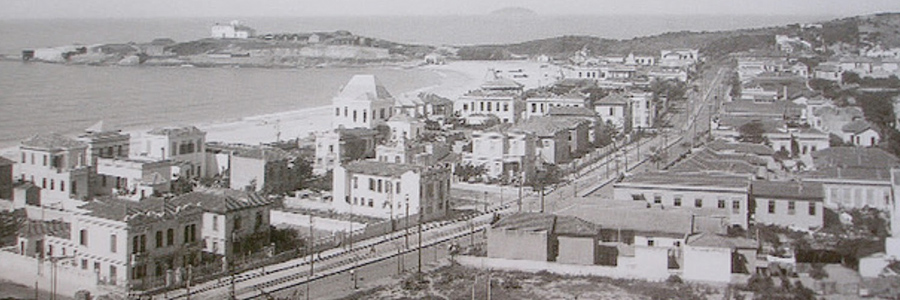
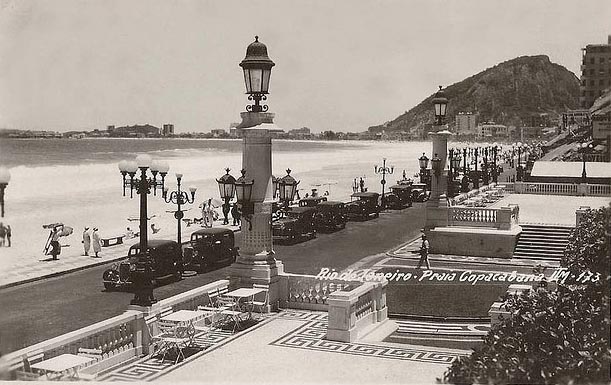
During the late 19th century, Copacabana was nothing more than a small fishing village covered with sand, dunes, and shrubs. With the construction of Tunel Velho, connecting the area to Botafogo and Downtown Rio, Copacabana began to grow with the inauguration of Av. Atlantica along the beach. Ever since the Copacabana Palace Hotel opened in 1923, there was no looking back in terms of development in tourism as well, while wealthy Cariocas soon made Copa their home. However, fame also brought with it the development of the Favelas, which is very much a part of Rio’s life today.
Getting there
With three subway Metro stations, the neighborhood is well connected to other parts of Rio. Atlantic Avenue connects to the beachside, while Nossa Senhora de Copacabana connects with the other twenty-four streets that form the three major arteries. The subway is safe and reliable so tourists do not have a problem getting around the neighborhood. Taxis are also easily available. If you plan to rent a car, it would be prudent to engage a driver to get around the city known for its chaotic traffic in certain areas.
ATTRACTIONS
Copacabana Beach
One of the main reasons why visitors come to Copacabana is, undoubtedly, the beach. Sunbathing beauties, bars, restaurants, this is truly a beach-lover’s paradise. The beauty of it all is you get to see people from a variety of lifestyles either strolling, exercising, roller skating, or simply basking in the sunshine all through the day. From businessmen to entertainers and fun seekers, Copacabana Beach has room for everyone.
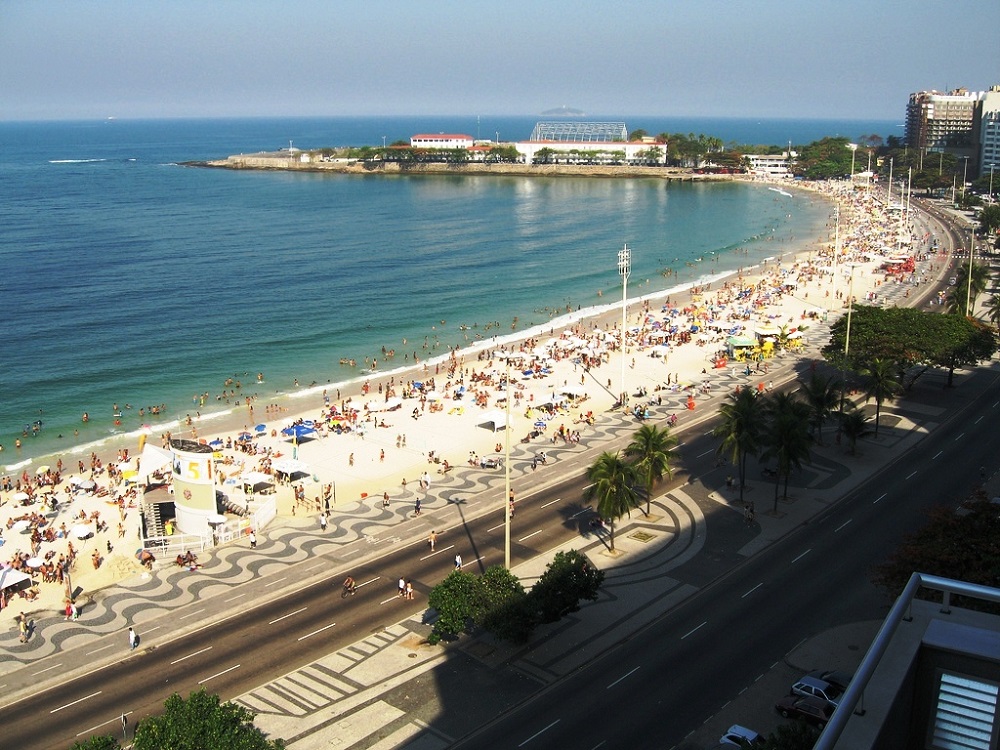
The beach runs for 2.2 miles (4 km) in an east-west direction running from Posto Dois to Posto Seis. The view to the left of Copacabana beach is the towering mountain of Sugar Loaf and Fort Duque de Caxias built in 1779. On the right is Copacabana Fort, which dates back to 1914. It houses the Army Historical Museum.
The Brazilians are a sport-loving race, and beach soccer and volleyball are favorite sports promoted at arenas along Copacabana Beach. During the summer, the World Cup International Beach Volleyball competition is held at the beach, so if you are in town, don’t forget to catch up with a game. Swimmers and surfers are an integral part of the beach and represent the true Carioca lifestyle. While sunbathing may cease in the evenings, the beach comes alive at night with many of the barracas or beach bars doing brisk business through the night.
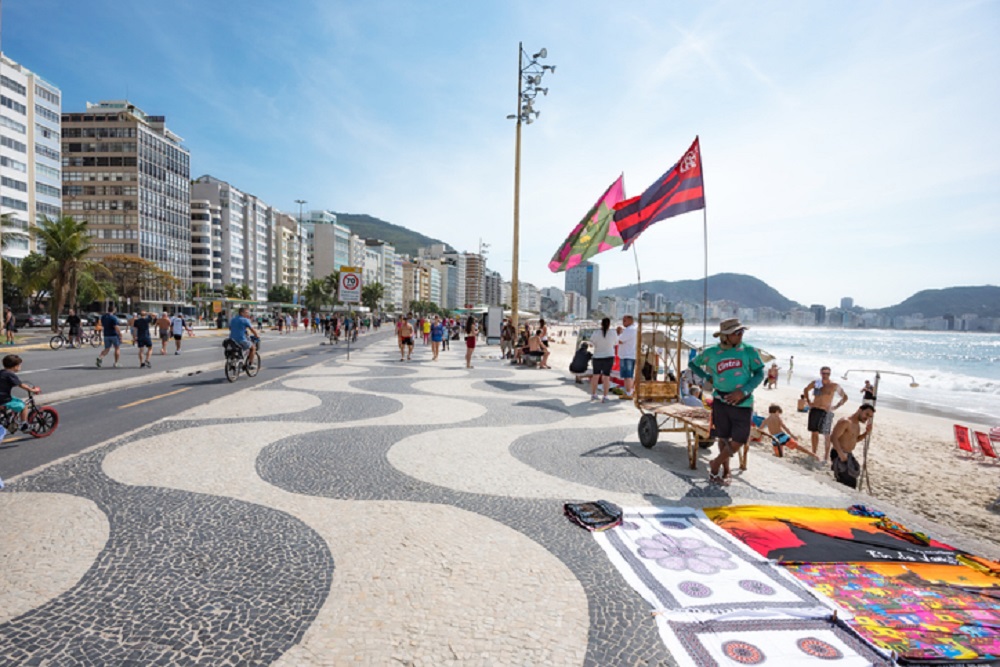
Most beach kiosks are open around the clock, offering some of the most delicious traditional snacks, caipirinhas, a local alcoholic beverage, and cold beer. This is a great place to pick up some small souvenirs to take home. The beach isn’t short of entertainment too. You will find magicians, tattooists, and jugglers, all trying to be at their creative best.
Forte De Copacabana
The old Copacabana Chapel made way for Forte de Copacabana, which was built in 1908. Formerly a military establishment, the fort is now a cultural center where visitors are welcome. The view of Copacabana Beach from the fort is simply astounding and a great place to take photos of Arpoador Park, Ipanema and beyond, capturing the essence of Rio’s stunning coastline.
It's Carnival Time
Enjoy specials deals for Rio Carnival 2026